
Solar Panel Inspection & Diagnostics
Professional solar panel inspections using thermal imaging and performance analysis to identify hidden problems before they cost you money.
From $149 / inspection
Our comprehensive solar panel inspection service uses advanced thermal imaging and performance diagnostics to identify micro-cracks, hot spots, wiring issues, and efficiency losses that are invisible to the naked eye. Catch problems early and protect your solar investment.
What's Included in Our Inspection Service
How Our Inspection Works
Visual Assessment
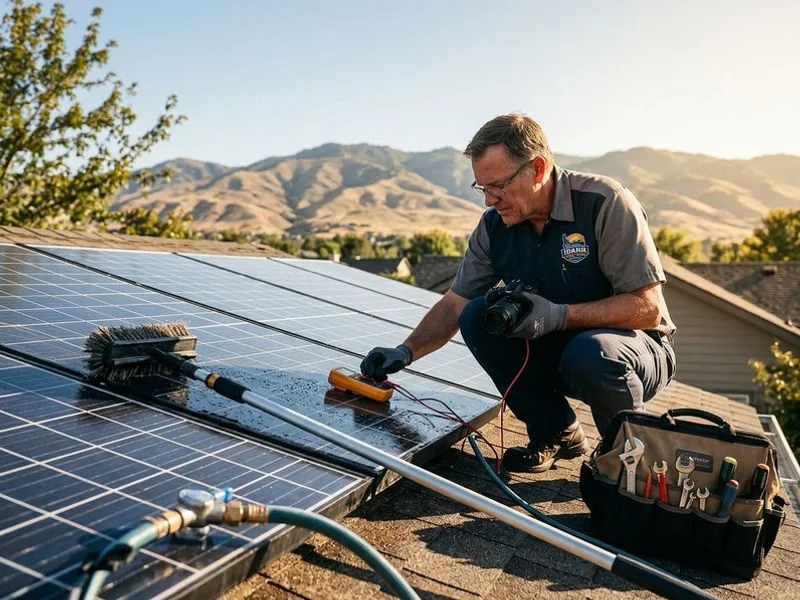
We begin with a thorough visual inspection of all panels, mounting hardware, and accessible wiring.
Thermal Imaging Scan
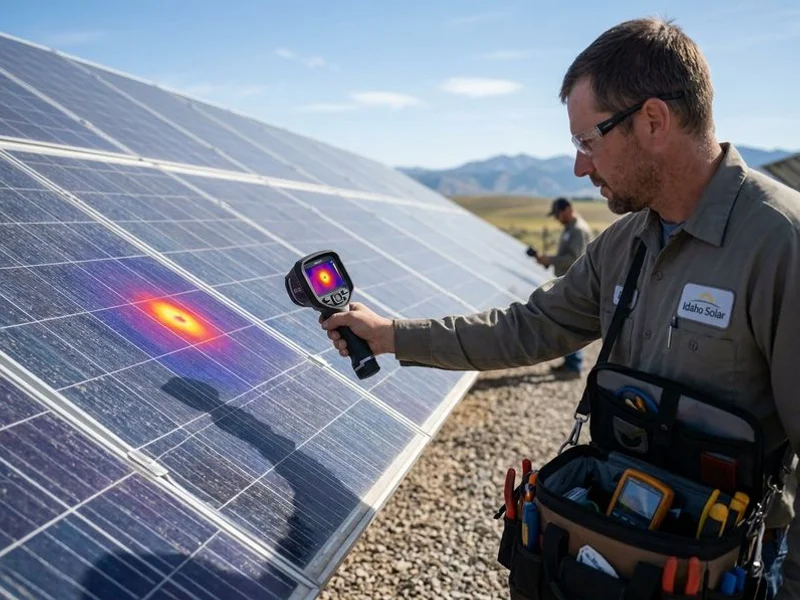
Our infrared cameras detect hot spots, micro-cracks, and cell degradation invisible to the naked eye.
Performance Analysis
We measure actual output against rated capacity to identify underperforming panels and strings.
Detailed Report
You receive a comprehensive written report with thermal images, findings, and prioritized repair recommendations.
Inspection Gallery

Inspection Results - Before & After
 Before
  After
After Why Solar Panel Inspections Matter in Idaho
Solar panels are engineered to last 25 years or more, but that impressive lifespan does not mean they are maintenance-free. Here in Idaho, the Treasure Valley’s unique climate subjects every solar installation to conditions that gradually degrade performance and structural integrity. From the punishing temperature swings between triple-digit summers and sub-zero winter nights to the hailstorms that sweep across the Boise foothills each spring, your panels face environmental stresses that silently chip away at their output. A professional solar panel inspection is the most reliable method for catching these hidden problems before they escalate into costly repairs or dangerous electrical faults.
As part of our comprehensive solar panel cleaning services in Boise, we offer advanced inspection diagnostics that go far beyond a visual check. Many homeowners across Boise, Nampa, Meridian, Eagle, and the surrounding communities assume their solar system is performing perfectly because their monitoring app still shows numbers. The reality is far more nuanced. A panel can lose anywhere from 15 to 25 percent of its rated output due to micro-cracks or developing hot spots without triggering any obvious alert on your inverter or monitoring platform. That silent efficiency loss translates directly into higher Idaho Power bills and a longer payback period on your solar investment. Regular professional inspections catch these invisible problems early, when they are still straightforward and affordable to correct.
The Power of Thermal Imaging Technology
The cornerstone of our inspection service is a comprehensive thermal imaging scan performed with professional-grade infrared cameras. Unlike a basic visual walkthrough, thermal imaging reveals problems that are completely hidden from the naked eye. When our technicians scan your array during peak sunlight hours, the infrared camera captures temperature differentials across every cell in every panel, creating a detailed heat map that highlights anomalies with precision.
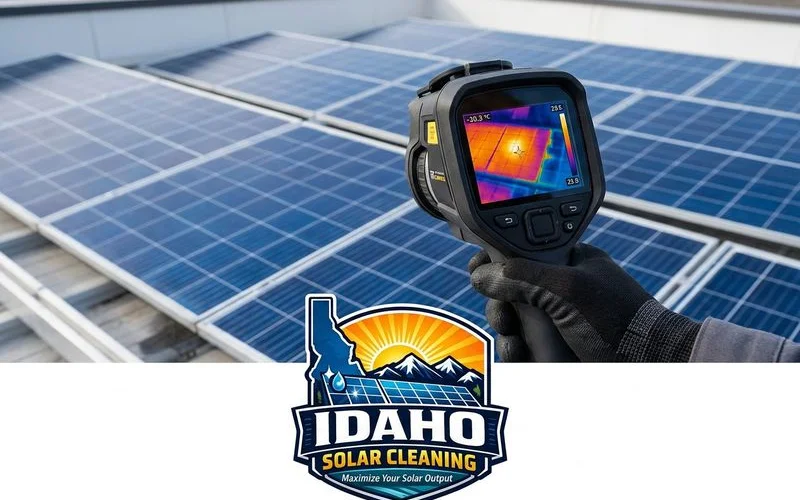
Hot spots are among the most critical findings during a thermal scan. These appear as concentrated areas of elevated temperature on individual cells or cell clusters within a panel. Hot spots indicate internal damage such as cracked cells, failed solder bonds, or electrical shunting. Left unaddressed, hot spots create a self-reinforcing degradation cycle where the damaged area gets progressively hotter, causing further deterioration to the encapsulant material and surrounding cells. In severe cases, hot spots can present a genuine fire risk, particularly during Idaho’s hottest summer months when ambient temperatures already push equipment to its limits.
Micro-cracks are another major finding that thermal imaging detects with remarkable accuracy. These are fractures in the silicon cells that are far too small to see with the naked eye but large enough to disrupt electrical current flow within the panel. Micro-cracks are particularly common in Idaho due to our climate’s relentless thermal cycling. When panels heat to over 150 degrees Fahrenheit on a July afternoon and then cool to 40 degrees overnight, the repeated expansion and contraction stresses the silicon wafers. Over multiple seasons, these stresses manifest as cracks that progressively disconnect portions of cells from the electrical circuit, reducing output in ways that monitoring systems often attribute to normal degradation rather than a specific, repairable fault.
What a Complete Inspection Covers
Our inspection protocol goes well beyond the thermal scan, though that remains the most revealing diagnostic tool in our arsenal. A complete Idaho Solar Cleaning inspection addresses every component of your solar energy system that is accessible from the roof and ground level.
Mounting hardware assessment examines every rail, clamp, bolt, and flashing point in your racking system. Idaho’s freeze-thaw cycles can loosen fasteners over time, and wind uplift forces during our spring windstorms can stress attachment points. We check torque on accessible bolts, inspect flashing seals for signs of water intrusion, and verify that the racking system maintains proper clearance between panels and the roof surface for adequate airflow.
Wiring and connection inspection covers all visible cable runs, MC4 connectors, junction boxes, and conduit from the panels to the inverter. We look for signs of UV degradation on cable jackets, corrosion on connector contacts, evidence of rodent damage to exposed wiring, and proper strain relief at all connection points. Faulty connections are a leading cause of both performance loss and electrical fire risk, and they show up clearly in our thermal imaging as localized heat signatures at specific connection points.
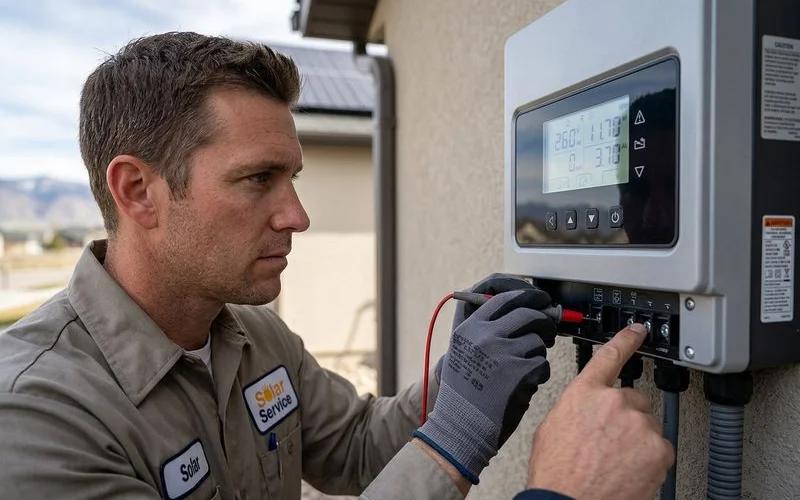
Inverter performance verification compares your inverter’s reported output against expected production for your system size, panel orientation, and current weather conditions. We check error logs, verify proper grid synchronization, and assess whether the inverter is operating within its rated parameters. An inverter that is running hot, throwing intermittent faults, or reporting inconsistent string voltages may indicate problems at the panel level that require further investigation.
Idaho Climate Challenges That Demand Regular Inspections
The Treasure Valley’s climate creates a combination of stresses that make regular inspections especially important for Idaho solar panel owners compared to homeowners in milder regions.
Hailstorms are a recurring hazard across southwestern Idaho, particularly from late April through early September. Even when hail does not visibly shatter a panel’s tempered glass surface, the impact force can create internal micro-fractures in the underlying silicon cells. These fractures may cause no immediate performance drop, but they propagate with each subsequent thermal cycle and can eventually cascade into significant output losses. We strongly recommend scheduling an inspection after any notable hailstorm, as insurance claims for hail-damaged panels have a limited filing window and require professional documentation.
Wildfire smoke and ash have become a predictable summer occurrence in the Boise metro area, with smoke seasons growing longer and more intense in recent years. While airborne smoke temporarily reduces solar output by filtering sunlight, the more lasting concern is the fine particulate ash that settles on panel surfaces and infiltrates frame edges, junction boxes, and mounting hardware. Wildfire ash is mildly corrosive and can accelerate oxidation of exposed metal components if allowed to remain in contact with them through the winter months. A post-fire-season inspection identifies any ash-related damage and ensures your system enters winter in sound condition.
Heavy snow loads during Idaho winters place mechanical stress on every component of your mounting system. The weight of accumulated wet snow can exceed design loads on older racking systems, stress panel frames, and exacerbate existing micro-cracks through flexion. When the snow melts and refreezes at the panel edges, ice dams can form that redirect water into areas not designed for moisture exposure. A spring inspection after snowmelt reveals any structural damage or water intrusion that occurred during the winter.
Your Detailed Inspection Report
Every inspection concludes with a comprehensive written report that functions as both a diagnostic summary and an actionable maintenance roadmap for your system. Your report includes high-resolution annotated thermal images showing the precise location and severity of every detected anomaly, a panel-by-panel performance assessment comparing measured output against manufacturer-rated capacity, a condition evaluation of all mounting hardware and accessible wiring, and a prioritized list of recommended actions organized by urgency and estimated impact on system performance.
We sit down with you to walk through every finding so you understand what each issue means in practical terms. For homeowners considering warranty claims, our reports provide the professional-grade documentation that manufacturers require. For real estate transactions, our inspection reports give buyers and sellers an objective assessment of the solar system’s condition and remaining useful life. We maintain your complete inspection history in our records, allowing us to track changes in your system’s thermal profile over time and identify developing trends before they become urgent problems.
Schedule Your Professional Inspection Today
Whether your system is brand new and you want a baseline assessment, several years old and due for a checkup, or showing signs of declining performance, a professional inspection with thermal imaging is the smartest step you can take to protect your solar investment. For ongoing protection, consider pairing your inspection with our Solar Panel Maintenance Program for scheduled cleanings and regular thermal scans throughout the year. Contact Idaho Solar Cleaning today to schedule your comprehensive solar panel inspection. We serve homeowners and businesses throughout Boise, Meridian, Nampa, Eagle, Star, Kuna, Caldwell, and the entire Treasure Valley.
Why Choose Idaho Solar Cleaning for Inspection
Advanced Diagnostics
We use professional-grade thermal imaging cameras that detect issues standard inspections miss.
Local Expertise
We understand how Idaho's climate, from hail to wildfire ash, affects panel longevity and performance.
Actionable Reports
Our reports include prioritized recommendations so you know exactly what needs attention and when.
Warranty Protection
Regular inspections help maintain manufacturer warranties and document system condition.
What Clients Say About Our Inspection
"The thermal scan found two hot spots that my installer missed during their warranty check. Idaho Solar Cleaning's inspection literally saved me from a potential fire hazard."
Greg T.
Boise, ID
"I had no idea my panels were underperforming until the inspection report showed 18% loss on one string. After the repair, my output jumped back to where it should be."
Linda R.
Nampa, ID
Inspection - Frequently Asked Questions
How often should I have my solar panels inspected?
What does thermal imaging detect?
Will an inspection void my warranty?
How long does an inspection take?
Get a Free Inspection Estimate Today
Same-day estimates available. Licensed, insured, and 100% satisfaction guaranteed. Contact us for a free, no-obligation quote on solar panel inspection in Boise and the Treasure Valley.